| DP range, uni- or bidirectional | The span of differential the instrument resolves, and whether it reads one direction or both sides of zero. | Size the span so normal operation sits well inside it, and go bidirectional wherever the differential can legitimately reverse. A unidirectional unit driven backwards just reads zero. |
|---|
| Static (line) pressure rating | The common-mode pressure both ports can ride at while the instrument measures a small difference. | A small DP span and a high static rating are independent numbers. Check both, and check the published line-pressure effect on zero when the DP is small relative to the line. |
|---|
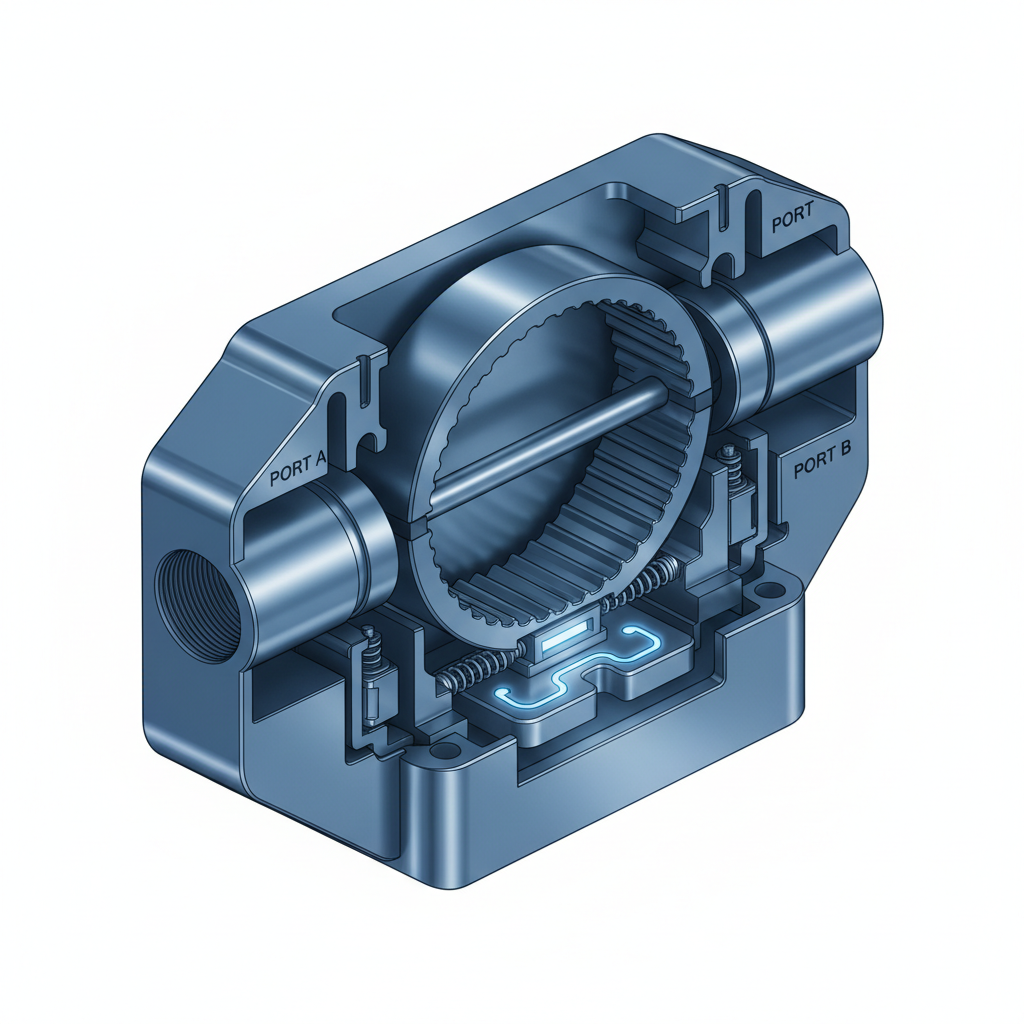
| Process media & wetted materials | Which fluids may touch each port, and what the diaphragm, ports and seals are made of. | Wet/wet vs dry-only is the first split; material compatibility with the actual process fluid is the second. Liquid on a dry-only sensor is a dead instrument, not a degraded one. |
|---|
| Output signal | How the measurement leaves the instrument: 4-20 mA loop, 0-5/0-10 V, millivolt, or digital protocols. | Match the receiving system before anything else. Loop-powered 4-20 mA travels far on two wires; voltage outputs want short runs; digital protocols need a system that speaks them. |
|---|
| Accuracy class & stability | Reference accuracy as a percentage of span, plus long-term drift per year on the datasheet. | Accuracy quoted at reference conditions is the best case. For a wide-turndown transmitter, check accuracy at your actual span, and weigh stability if calibration access is difficult. |
|---|
| Overpressure protection | How much one-sided pressure the sensor tolerates when the other port sees none, without damage or shift. | Startups, valve slams and blocked lines routinely apply full line pressure to one port. Verify the one-sided rating against that event, not against normal operation. |
|---|
| Temperature effects | Compensated temperature range, plus the stated zero and span shift per degree outside reference conditions. | An instrument that is accurate at 20 °C can be far less so on a hot roof or a cold pipe rack. Read the temperature coefficient at your installation conditions, not the headline accuracy. |
|---|
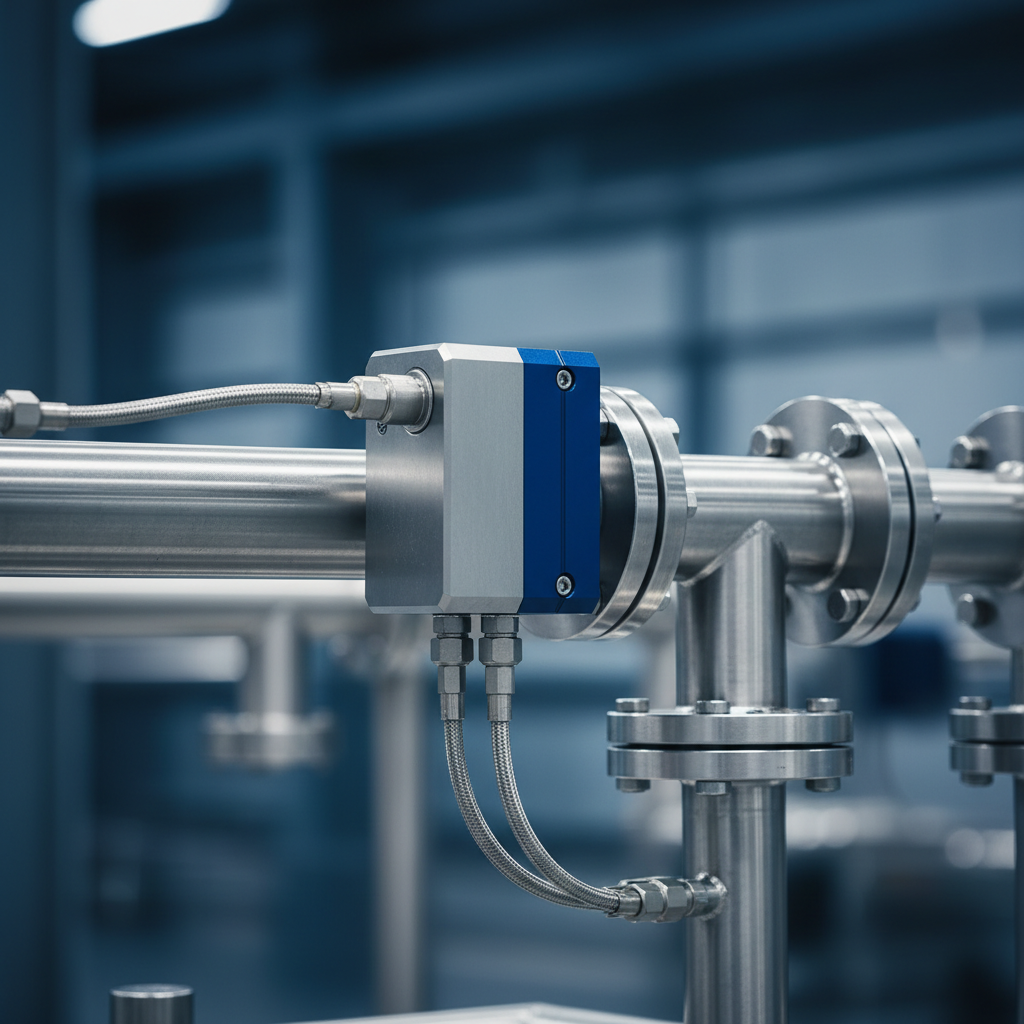
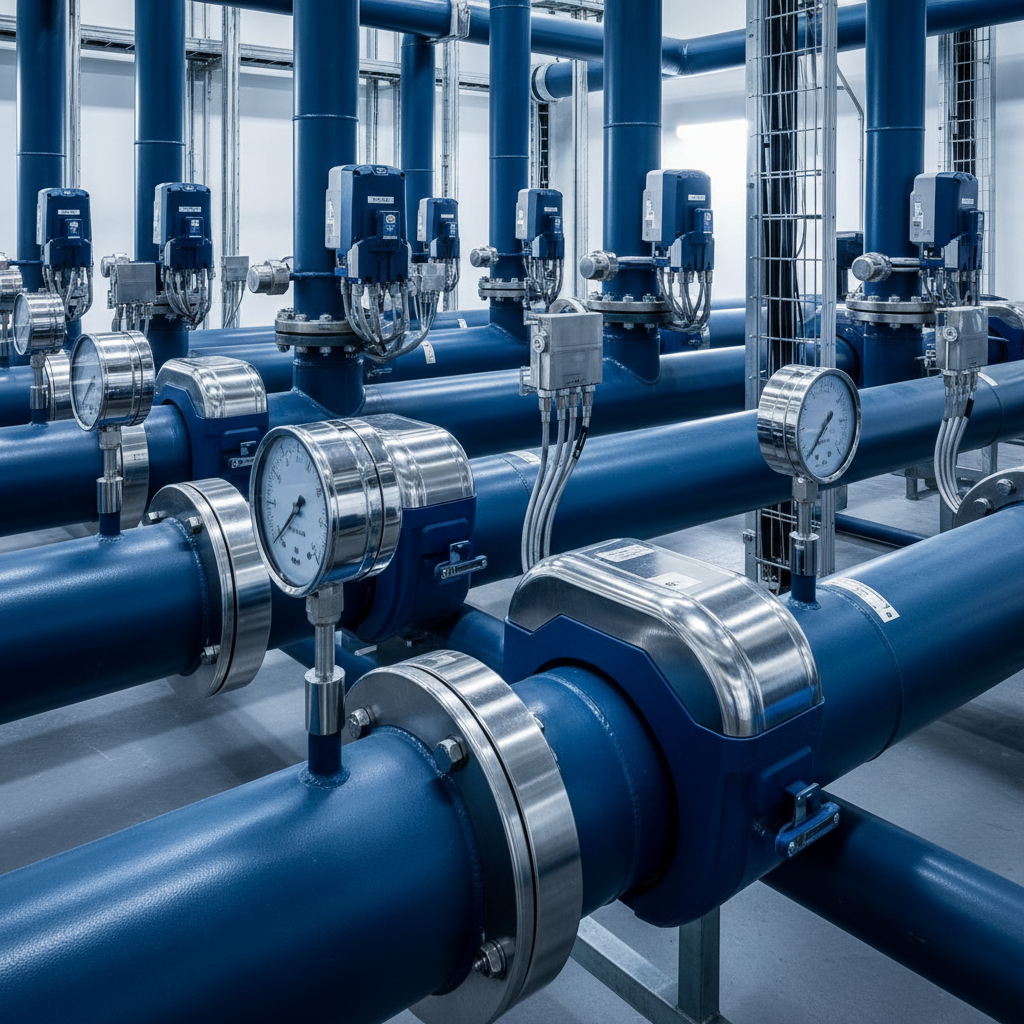
| Process connections | How the instrument meets the process: threaded ports, flanged connections, manifolds, or remote seals. | Match connections to your taps and your maintenance practice. A three- or five-valve manifold is what makes zero checks and removal possible without a shutdown. |
|---|
| Hazardous-area approvals | Certification for classified areas: intrinsic safety, explosion-proof or non-incendive ratings for the zone. | The approval must match your area classification and your wiring method, and intrinsically safe loops need the barriers designed in. Retrofit certification is not a thing; specify it up front. |
|---|